CHEMICAL ROCKS
They are formed from materials that are transported in solution, normally to lakes and seas, which,
if environmental conditions allow, end up precipitating in the form of minerals. Examples of this type
of rock are gypsum, rock salt and limestone.
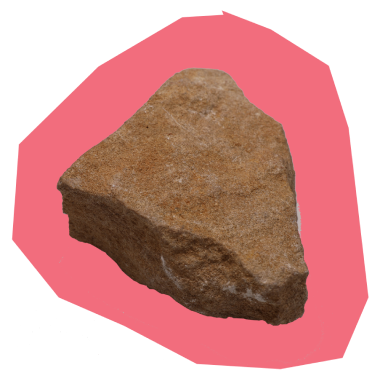
carbonate rocks
Type of rocks that undergo the carbonation
reaction, forming precipitation limestones. The
landscape that results from the alteration of a
limestone mass is called karst modeling and is
composed of calcite-forming structures such as
stalactites, stalagmites, columns, travertines
and structures of degradation such as caves
and lapiaz fields.
evaporites
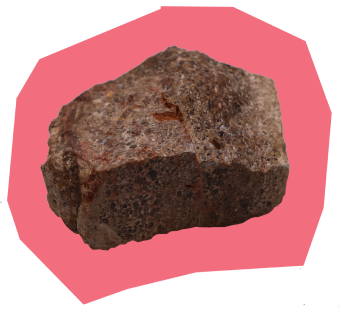
This type of rock is formed when the
evaporation of water in which substances are
dissolved leads to the formation of crystals,
which accumulate to form the rock.