DETRITAL ROCKS
These rocks can be consolidated if they go through the diagenesis process or unconsolidated if
they do not go through these processes. come from sediments resulting from the process of
erosion and weathering of pre-existing rocks, they have a great permeability according to the size
of their sediments they can be classified into:
ballasts
Coarse sediments, if they undergo a cementation
and compaction process, they become a breccia or
a conglomerate.
Sediments bigger than 256mm are called boulders,
between 256 and 64mm are cobbles and from 64
to 2 mm are pebbles
sand
Average size sediments, between 2 and
0.063mm, if they undergo cementation
and compaction, they become sandstone
or sandstone
silt
Fine sediments between 0.004 - 0.063mm,
if compacted it forms siltstone
clay
Very fine sediments < 0.004mm, if compacted it
forms claystone. Both siltstones and mudstones
do not go through the cementation process, as
their sediments are so fine that with the
pressure of the upper layers they all come
together to form a cohesive rock
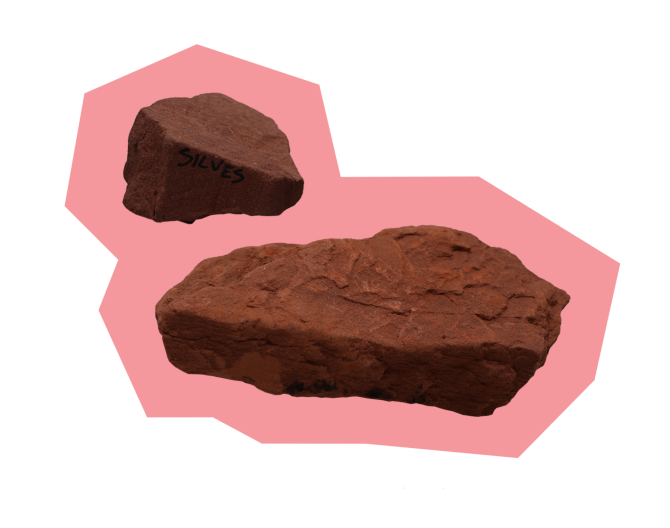
clay rocks
When clays are subjected to compression
caused by the weight of the upper layers,
they become more compact, forming
mudstones. When the clays are pure, they
have a white hue and are called kaolin.
characteristics of clays
Clays are rocks that are not very hard,
friable (they easily reduce to dust) and
have a characteristic clay smell when
breathed or moistened. They are very
plastic, deforming very easily without
breaking.
conglomeratic rocks
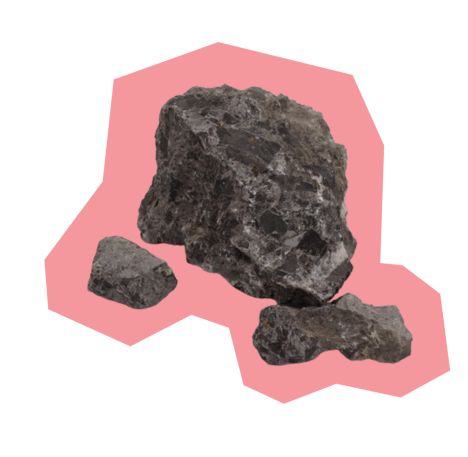
Breccia
Have more angular materials.
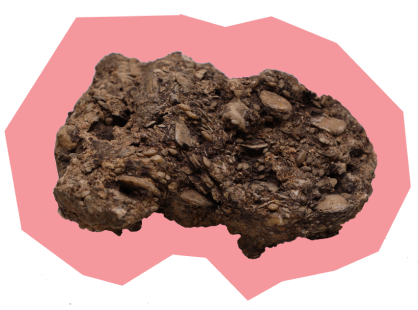
Conglomerates
Formed by rolled sediments.